

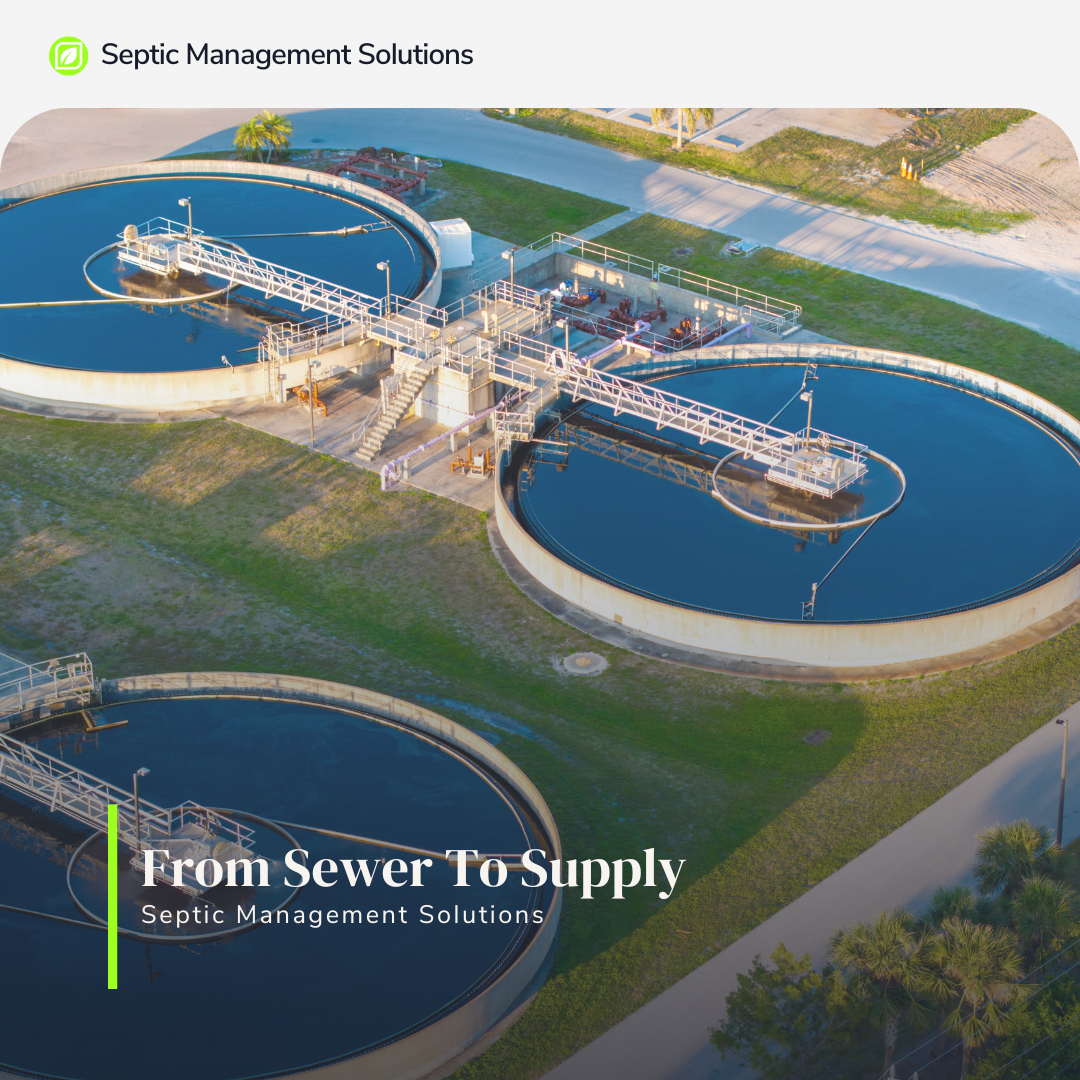
From Sewer to Treatment Plant to Supply
What Texas’s Water Reuse Push Means for Septic Contractors
For most of history, cities treated wastewater as a disposal problem. In drought-stricken parts of Texas, that thinking is changing fast. Treated wastewater is now irrigating parks, cooling refineries, and in some places ending up in the drinking supply. If you pump, haul, or service septic systems, this shift affects you.
Step one: irrigation
Reuse isn’t new. Corpus Christi has used treated wastewater for non-potable purposes since the 1960s, and has used treated effluent for park and golf course irrigation for decades. This is the easiest form of reuse: the water doesn’t need to meet drinking standards, and nobody has to think about where it came from.
Step two: industry
Corpus Christi is now scaling that up with big money. The city approved a $107.5 million construction contract with Reytec Construction Resources for phase 2 of its Reclaimed Water for Industrial Use Project. The work includes a force main from the Oso Water Reclamation Plant to the Greenwood plant, plus a new pump station and wet well at Oso.
Construction began August 17 and is expected to finish by June 30, 2027. The phase adds 11 million gallons per day of effluent availability, bringing the total program to as much as 16 million gallons per day.
The customers are mostly heavy industry. Corpus Christi already has a recycled water agreement with a local Valero refinery, and the project is designed to move large industrial users off drinking water. One project partner estimates the expansion could cut potable demand by roughly 16%.
The pressure behind it is water supply. July rainfall pushed the projected timeline for a Level 1 water emergency from as early as September 2026 to around fall 2028, but the city is still pursuing reclaimed water and other supply options.
Step three: the tap
Big Spring, Texas shows where this can lead. Water shortages pushed the city to adopt a direct potable reuse system amid punishing droughts. The system takes treated wastewater, purifies it, and mixes it with the regular water supply, which eventually reaches consumers’ taps.
Big Spring isn’t an outlier in thinking, just in how direct it is. Cities that don’t use direct potable reuse still reuse their wastewater. They treat it, release it into a river, lake, or aquifer, then draw it back up and treat it again. According to the same coverage, the mindset has shifted from worrying about how to get rid of wastewater to extracting the water from it.
It’s not universally popular. Not all locals are on board, and the city tests the water daily. That tension matters for the rest of this post.
Book A Demo
Software built for the wastewater hauling industry.
Why septic and waste hauling contractors should care
You’re not building a pipeline to a refinery, but this trend touches your business in a few ways. These are my read on the industry, not something the news coverage says directly.
1. Wastewater is gaining value and attention. When treated effluent becomes a product, the whole chain behind it gets more scrutiny, including how waste is collected, transported, and delivered. Many haulers deliver septage to municipal treatment facilities, so changes at those plants can affect your disposal logistics.
2. Documentation will matter more. Where the public is wary of reused water, officials have every reason to demand clear records. Expect more questions about where waste came from, when it was serviced, and where it went. Contractors with clean, organized service records will be easier to work with than those running on paper and memory.
3. Customers are paying more attention to water. In drought-prone regions, homeowners and commercial clients ask more questions about water use and system health. Contractors who can show proof of service and a clear service history look more professional and win more repeat business.
4. Infrastructure projects shift local demand. Large municipal builds can change traffic, site access, and treatment plant capacity in your service area. Tight route planning matters more when conditions around you keep changing.
How to get ahead of it
You don’t need to wait for a similar project in your region. A few habits put you in a strong position:
- Record every job. Photos and notes at each stop create a defensible record if a customer, inspector, or municipality ever asks.
- Keep customer history in one place. Service dates, system details, and billing history should be searchable in seconds, not buried in a filing cabinet.
- Run efficient routes. Whatever happens with disposal sites and local infrastructure, fewer wasted miles protect your margins.
- Bill on the schedule your customers actually need. Recurring and non-calendar cycles, like 28-day service intervals, shouldn’t mean manual invoicing every month.
This is what Septic Management Solutions was built for. SMS gives septic and liquid waste contractors route optimization, a CRM with full customer and billing history, batch invoicing, QuickBooks integration, and a mobile app for drivers with photo capture at every stop. It was built by people who know the industry, not generic field-service developers.
Final Notes
Wastewater has gone from something cities dispose of to something they depend on, first for irrigation, then for industry, and in places like Big Spring, for drinking water. The contractors who handle it will be expected to run tighter, better-documented operations.
Want to see how SMS can help you get there? Book a demo, and we’ll migrate your data from your current system for free.
Sources: